From Desert Glamour to Mediterranean Allure: Why Global Tourism Is Pivoting Toward Ibiza and the Balearics
In the evolving geography of global tourism, 2026 is shaping up to be a year of rebalancing. After more than a decade in which the Gulf—particularly the United Arab Emirates—captured a disproportionate share of high-end international travel, a notable shift is underway. The flow of tourists, especially from Europe and North America, is increasingly redirecting toward the Mediterranean basin—and within it, few destinations are benefiting as clearly as Ibiza and the Balearic Islands.
This is not a cyclical fluctuation. It is a structural repositioning driven by geopolitics, changing traveler psychology, and the redefinition of luxury itself.
A Sudden Recalibration: From the Gulf to Europe
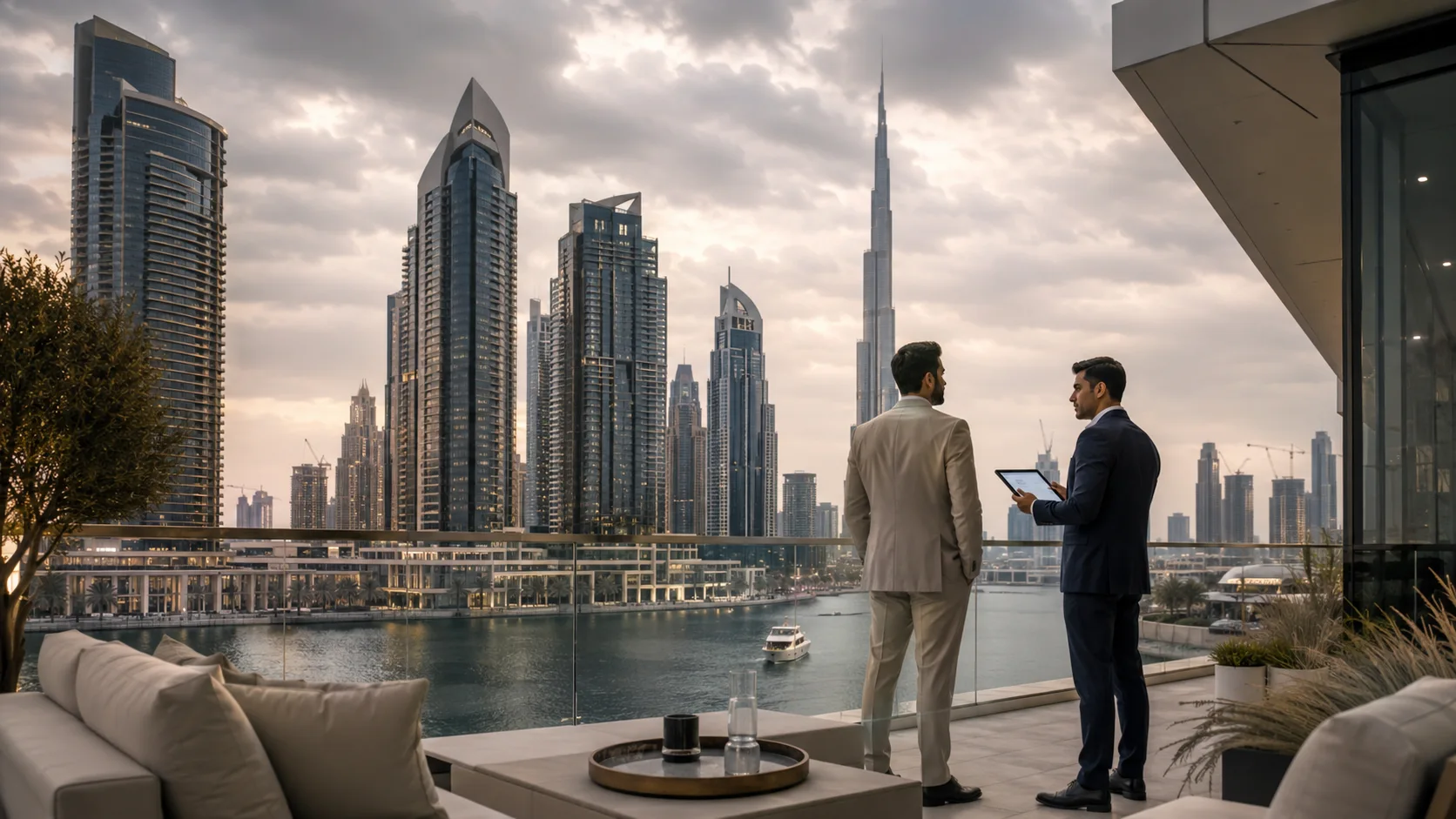
The UAE, and Dubai in particular, entered the mid-2020s as one of the world’s most successful tourism hubs, attracting nearly 20 million international visitors in 2025 alone . Its formula—architectural spectacle, tax-free shopping, and hyper-luxury hospitality—proved irresistible to a global clientele.
Yet in recent months, external shocks have begun to alter that trajectory.
Geopolitical tensions in the broader Middle East have had a measurable impact on traveler sentiment. Booking data and travel intelligence reports show that tourists from key outbound markets—including the United States, the United Kingdom, Germany, and Italy—are actively pivoting away from the region. Instead, they are favoring closer, perceived safer, and culturally richer destinations in Europe and beyond .
At the same time, disruptions linked to regional instability have led to flight adjustments, travel advisories, and a general increase in perceived risk. Industry estimates suggest significant daily losses in visitor spending across affected Middle Eastern destinations .
The result is a reallocation of demand—not a collapse of Gulf tourism, but a redistribution of marginal travelers. And those travelers are increasingly choosing the Mediterranean.
Spain’s Moment: Scale Meets Sophistication
Spain has emerged as one of the principal beneficiaries of this shift. The country welcomed approximately 97 million tourists in 2025, with continued growth and record spending levels extending into 2026 .
More importantly, the composition of tourism is changing. Travelers are spending more per capita, staying longer, and increasingly blending leisure with lifestyle—purchasing second homes or relocating seasonally. Spain is no longer just a destination; it is becoming a semi-permanent base for global elites and upper-middle-class professionals .
Luxury shopping, wellness travel, and experiential tourism are expanding rapidly. Spain now ranks among Europe’s top luxury markets, reflecting a shift from volume-driven tourism to value-driven tourism .
Within this national trend, the Balearic Islands occupy a privileged position.
The Balearic Advantage: Accessibility, Identity, and Reinvention
Mallorca, Menorca, and Ibiza have long been staples of European summer travel. But what is unfolding now is not simply a return to pre-pandemic norms—it is a reinvention.
Authorities across the Balearics have actively discouraged low-value, high-volume tourism in favor of a more curated, sustainable model. Measures include tighter regulation of short-term rentals, restrictions on party tourism, and investments in environmental preservation.
The impact is already visible. In Ibiza, for example, short-term rental supply has sharply declined due to regulatory enforcement, while hotel revenues per room have risen, signaling a transition toward higher-yield visitors .
Simultaneously, policymakers are openly acknowledging limits to growth. The strategic objective is no longer “more tourists,” but “better tourism”—a shift echoed by declining visitor numbers but increasing overall spending .
This repositioning aligns almost perfectly with the preferences of the post-2020 traveler.
Ibiza: From Party Capital to Cultural-Luxury Hybrid
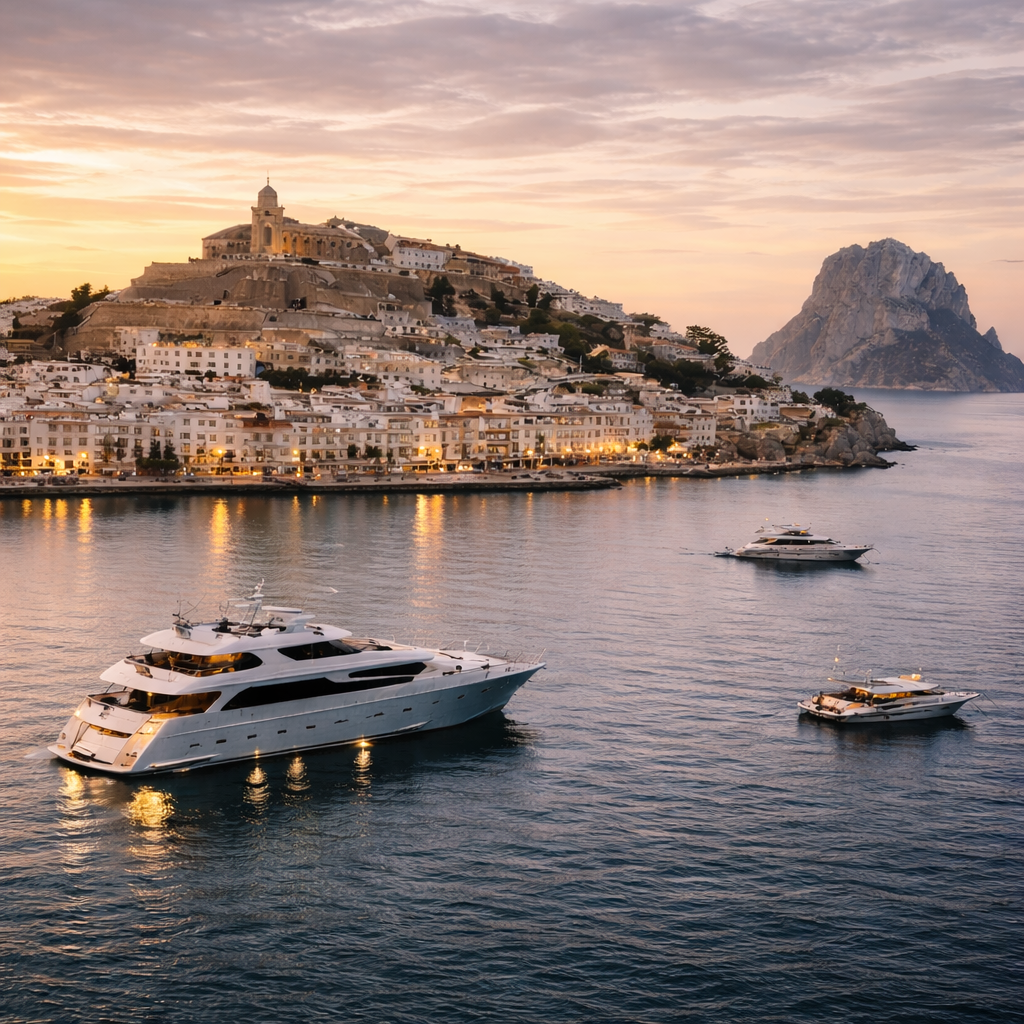
At the center of this transformation stands Ibiza.
For decades, the island has been synonymous with nightlife—arguably the global epicenter of electronic music and club culture. Yet Ibiza’s identity has always been more complex: a UNESCO World Heritage site with a deep cultural history, natural beauty, and a longstanding appeal to artists, entrepreneurs, and global tastemakers .
Today, that broader identity is being actively cultivated.
Ibiza is repositioning itself as a hybrid destination where luxury, sustainability, and authenticity converge. Environmental initiatives—such as marine conservation programs and restrictions on vehicle access—are not only preserving the island’s ecosystem but attracting a new class of eco-conscious traveler .
The shift is also aesthetic. The Ibiza of 2026 is less about excess and more about curated experience: boutique hotels over mega-resorts, wellness retreats over all-night parties, and gastronomy over mass consumption.
In short, Ibiza is becoming what Dubai once aspired to be—but with a Mediterranean soul.
The Psychology of the New Traveler
Underlying this geographic shift is a deeper transformation in traveler psychology.
Post-pandemic tourists are prioritizing:
- Proximity over distance
- Authenticity over spectacle
- Nature and culture over artificial environments
- Flexibility and safety over extravagance
Mediterranean destinations—particularly Spain—offer a compelling combination of all four. They are easily accessible from major European capitals, culturally rich, climatically favorable, and perceived as stable.
In contrast, the Gulf’s value proposition—while still powerful—relies more heavily on constructed experiences. In times of uncertainty, that model appears slightly less resilient.
A Rebalanced Global Tourism Map
None of this suggests a decline of the UAE as a major tourism hub. Dubai remains one of the most sophisticated and dynamic destinations in the world, with unmatched infrastructure and global connectivity.
What is changing is the distribution of marginal demand.
The Mediterranean—long seen as mature and even saturated—is experiencing a renaissance. And within it, Ibiza has emerged as a symbol of the new equilibrium: exclusive yet accessible, hedonistic yet refined, global yet deeply local.
Ibiza as a Bellwether
If the early 2020s were defined by the rise of the Gulf, the mid-2020s may well be remembered as the return of the Mediterranean.
Ibiza, in particular, encapsulates this shift. It is no longer merely a destination; it is a statement about how—and where—the world wants to travel.
In an era where luxury is increasingly defined by meaning rather than magnitude, the island offers something the desert never fully could: a sense of place. And in 2026, that may be the most valuable currency of all.