The New Frontier of Longevity: America’s Most Advanced Wellness and Healthspan Centers
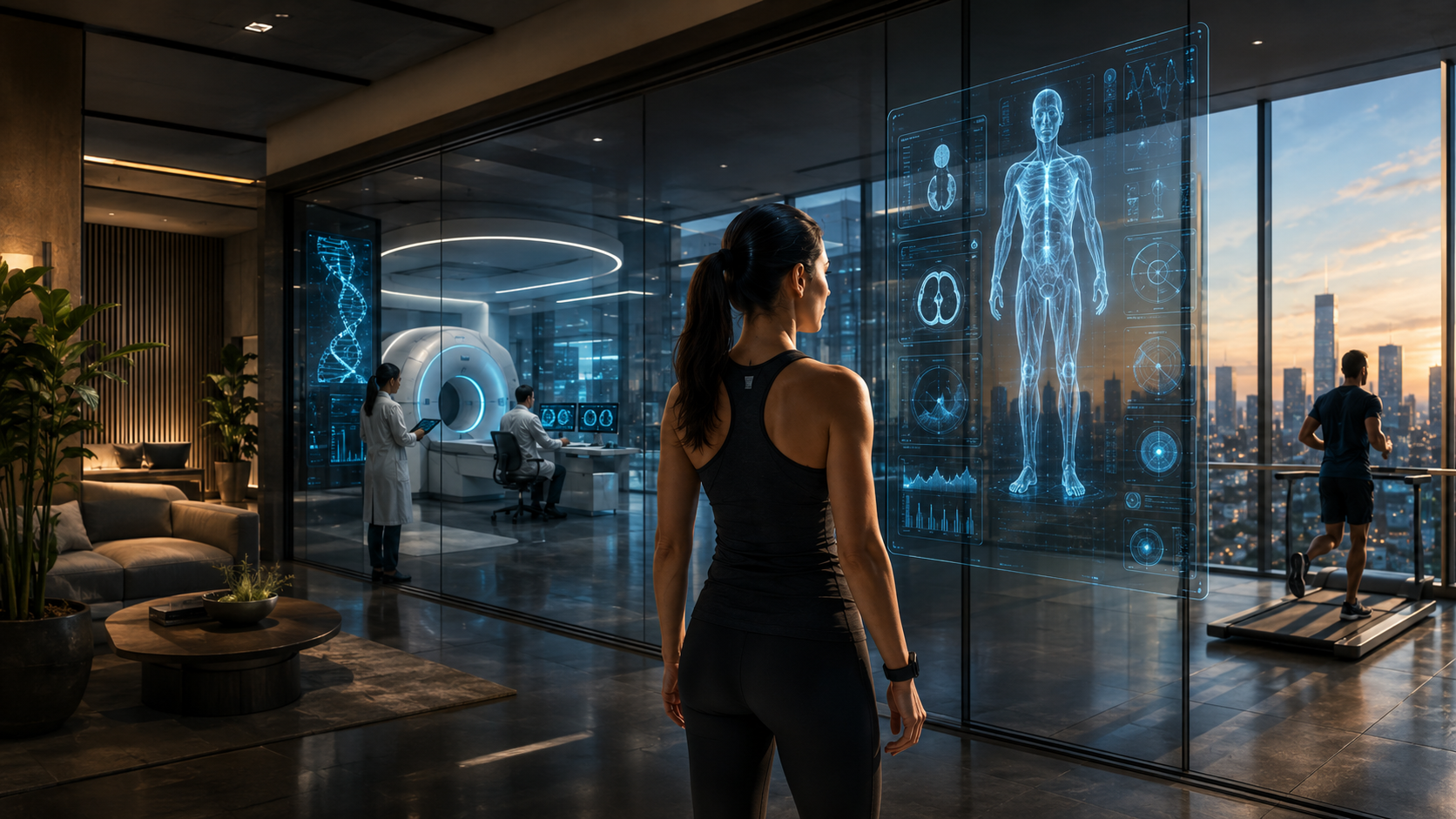
For decades, healthcare focused primarily on treating disease. Today, a new industry is emerging with a far more ambitious objective: preventing illness, extending healthspan, and helping individuals remain physically and cognitively vibrant for as long as possible.
The United States has become the global epicenter of this movement. What began as a niche market serving Silicon Valley entrepreneurs and professional athletes has rapidly evolved into a sophisticated ecosystem of longevity clinics, preventive medicine centers, and high-performance wellness institutes. Industry experts estimate that hundreds of dedicated longevity clinics now operate across the country, a number that continues to grow as demand for personalized health optimization accelerates.
Among the most influential names is Fountain Life, which has pioneered a model combining advanced imaging, AI-assisted diagnostics, genomic analysis, and preventive medicine. Its philosophy is simple yet revolutionary: identify disease years before symptoms emerge.
Another major player is Human Longevity Inc., founded by genomics pioneer Dr. J. Craig Venter. The organization has been instrumental in advancing the use of large-scale genetic analysis and precision medicine to improve long-term health outcomes.
Meanwhile, Upgrade Labs, founded by biohacking pioneer Dave Asprey, has introduced a more consumer-oriented approach. Through advanced recovery technologies, biometric testing, and performance optimization protocols, the company has helped bring longevity medicine into the mainstream. The rapid expansion of Upgrade Labs reflects growing public interest in health optimization rather than traditional reactive healthcare.
What distinguishes these centers from traditional medical practices is their focus on comprehensive data collection. Patients often undergo extensive blood analysis, body composition scans, cardiovascular imaging, microbiome testing, sleep studies, hormone evaluations, and genetic screening. The resulting information is then used to design highly personalized interventions.
Artificial intelligence is increasingly becoming a central component of the process. Emerging platforms are capable of analyzing hundreds of biomarkers simultaneously, allowing physicians to identify subtle patterns that would be difficult to detect using conventional methods. Experts believe AI-driven diagnostics will become one of the defining characteristics of longevity medicine during the next decade.
The longevity sector has also benefited from a profound cultural shift. Consumers are increasingly focused not merely on lifespan but on healthspan—the number of years spent in good physical and cognitive condition. Sleep quality, muscle preservation, metabolic health, stress management, and cognitive performance are becoming primary metrics of success.
Critics correctly note that some longevity claims remain ahead of the available scientific evidence. Nevertheless, the broader trend appears irreversible. Advances in diagnostics, regenerative medicine, wearable technologies, and artificial intelligence are steadily transforming healthcare from a system that treats disease into one that seeks to predict and prevent it.
The question is no longer whether longevity medicine will become mainstream. The question is how quickly it will reshape the future of healthcare itself.